Walking from a perfectly chilled living room into a master bedroom that feels like a dry sauna is a luxury problem we should have solved years ago. In 2026, the frustration isn’t just about temperature; it’s about the digital friction of devices that refuse to talk to each other. We’ve moved past the era of proprietary apps and walled gardens. Now, it’s all about Matter compatibility and AI-driven logic that anticipates your thermal comfort before you even feel the sweat.
Multi-zone cooling used to require a PhD in HVAC engineering and a briefcase full of sensors. Today, the best hardware uses decentralized intelligence to balance your home’s climate without you lifting a finger. Whether you’re deep in the Apple Home ecosystem or a Google Assistant loyalist, these ten thermostats represent the pinnacle of climate control, blending high-end aesthetics with the seamless interoperability of the Matter standard.
| Product | Best For | Price | Matter Support |
|---|---|---|---|
| ecobee Essential | Budget Efficiency | $119.99 | Yes (via Bridge) |
| Google Nest 4th Gen | Design Purists | $229.99 | Native |
| PRO1 T855iSH | HVAC Pros | $162.00 | Bridge Ready |
| Sensi Touch 2 | Privacy & Ease | $144.03 | Yes |
| Nest (Sand) | Style on a Budget | $129.99 | Yes |
| Nest 4th Gen (Gold) | High-End Aesthetics | $229.99 | Native |
| ecobee Enhanced | Mid-Range Power | $169.99 | Yes |
| tekmar Invita | Complex Systems | $318.00 | Niche Pro |
| Emerson 1F85U-22PR | Traditionalists | $73.06 | Manual |
ecobee Smart Thermostat Essential
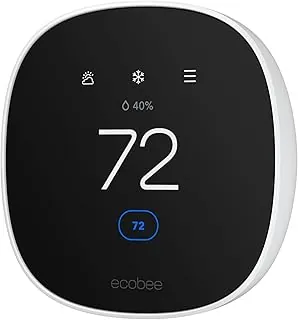
Efficiency doesn’t have to look like a science experiment. The ecobee Essential takes the core DNA of their flagship models and strips away the fluff, leaving you with a sleek, responsive interface that plays incredibly well with Siri and Alexa. It’s particularly adept at handling multi-zone setups where you need reliable, consistent data without the price tag of a built-in speaker you’ll never use.
- Pros: Excellent Energy Star ratings, snappy touch response, seamless Apple Home integration.
- Cons: Lacks the premium glass finish of the higher-end models.
Google Nest Learning Thermostat (4th gen) + Sensor (Silver)
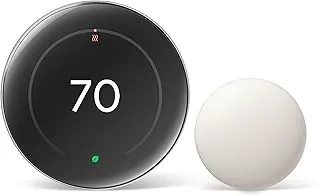
Google finally leaned into the Matter standard with this 4th generation powerhouse, and the result is a breathtaking piece of hardware that acts as the brain of your multi-zone empire. The included 2nd Gen sensor is the secret sauce here, allowing the AI to prioritize the room you’re actually in rather than the hallway where the thermostat lives. It feels like a piece of jewelry for your wall.
- Pros: Native Matter support, stunning mirrored display, highly accurate remote sensing.
- Cons: Premium pricing reflects the luxury positioning.
PRO1 T855iSH 8” Backlit WiFi Thermostat
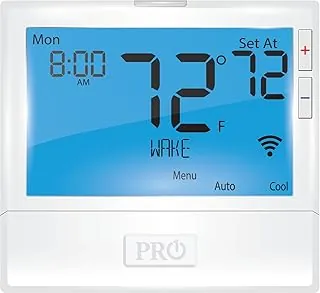
If you prefer the look of professional-grade equipment over consumer-friendly curves, the PRO1 is a beast. With an 8-inch backlit display, it provides more data at a glance than almost anything else on the market. It’s designed for those who want granular control over multi-stage heat pumps and complex cooling cycles without the AI making too many assumptions for them.
- Pros: Massive display, robust 5H/3C heat pump support, professional build quality.
- Cons: The aesthetic is more ‘utility room’ than ‘modern lounge.’
Sensi Touch 2 Smart Thermostat
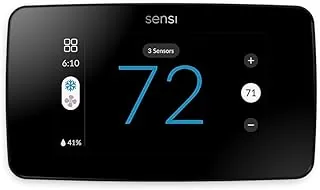
Reliability is the ultimate luxury, and the Sensi Touch 2 is built on a century of Emerson’s HVAC expertise. It skips the flashy animations in favor of a rock-solid Wi-Fi connection and a UI that your grandmother could navigate. For multi-zone cooling, its privacy-first approach is refreshing, ensuring your climate data stays in your home, not in a data center.
- Pros: High data privacy standards, incredibly easy DIY installation, very bright color display.
- Cons: Requires a C-wire for all installations.
Google Nest Thermostat – Sand
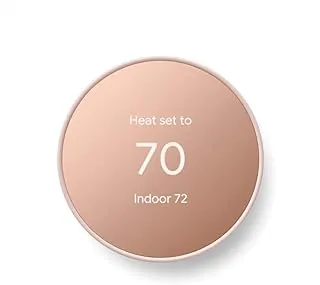
Sophistication meets minimalism in the Sand colorway of the standard Nest Thermostat. This is the choice for the homeowner who wants their tech to disappear into the decor. While it lacks the ‘learning’ brain of its more expensive sibling, its Matter compatibility ensures it fits perfectly into a modern multi-zone cooling strategy controlled via a central hub.
- Pros: Beautiful matte finish, affordable entry point for Matter ecosystems, very slim profile.
- Cons: Plastic lens instead of glass.
Google Nest Learning Thermostat (4th Gen) – Polished Gold

Gold isn’t for everyone, but in a high-end interior, this polished finish is an absolute statement. Beyond the looks, this 2024/2026 iteration is a Matter-native powerhouse that orchestrates multi-zone cooling with surgical precision. The AI learns your schedule within a week, adjusting the cooling curves to save energy while you’re at the office and pre-cooling the bedroom for your return.
- Pros: Unrivaled curb appeal, sophisticated AI learning, Matter-native interoperability.
- Cons: Attracts fingerprints like a magnet.
Google Nest Thermostat – Charcoal
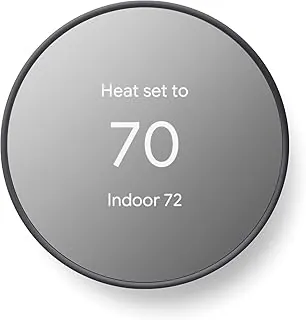
The Charcoal variant of the standard Nest is the workhorse of the modern smart home. It’s the perfect secondary unit for guest rooms or basements in a multi-zone setup. You get the same Matter-ready architecture as the rest of the lineup but in a stealthy, dark finish that blends into shadows and modern cabinetry.
- Pros: Reliable performance, great price-to-feature ratio, intuitive swipe controls.
- Cons: No internal battery backup; relies entirely on the HVAC system.
ecobee Smart Thermostat Enhanced
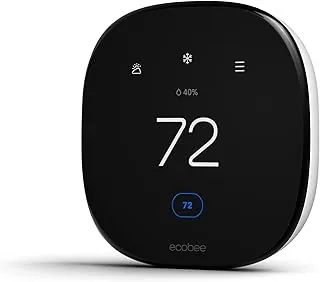
The Enhanced model sits in the sweet spot of the ecobee lineup, offering the premium glass front and advanced sensor compatibility without the extra cost of the ‘Premium’ model’s air quality monitor. For AI-driven cooling, its ability to detect occupancy and adjust the zone accordingly remains the gold standard in the industry.
- Pros: High-quality glass construction, excellent occupancy sensing, works with all major voice assistants.
- Cons: The setup process can be slightly more involved than Nest.
tekmar Invita Wi-Fi Thermostat
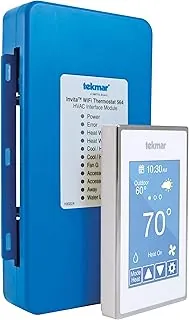
When you have a truly complex HVAC system—think 4-stage heat, 2-stage cool, and ERV/HRV integration—the tekmar Invita is often the only smart solution that can handle the load. It’s a 2-wire specialist, making it a godsend for older homes where pulling a new C-wire is an architectural nightmare. It’s the professional’s choice for a reason.
- Pros: 2-wire installation capability, supports complex accessories like dehumidifiers, very robust build.
- Cons: Highest price point on the list and requires technical knowledge to maximize.
Emerson Thermostats 1F85U-22PR
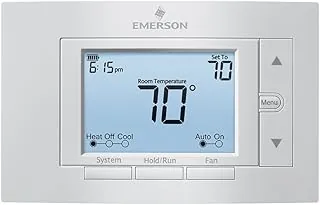
Sometimes the smartest move is to stay simple. While this Emerson model isn’t a ‘smart’ thermostat in the Wi-Fi/Matter sense, it is the ultimate fail-safe for multi-zone systems that need a reliable, programmable anchor. It’s the ‘analog watch’ in a world of smartwatches—perfect for zones that don’t need constant remote adjustment but require absolute reliability.
- Pros: Extremely affordable, zero learning curve, works during Wi-Fi outages.
- Cons: No remote control or smart home integration.
Choosing the right thermostat in 2026 isn’t just about picking a brand; it’s about ensuring your home’s ecosystem is future-proof. If you want the absolute cutting edge of design and Matter connectivity, the Google Nest Learning Thermostat (4th Gen) is the undisputed champion. It manages the complexity of multi-zone cooling with an elegance that makes it a centerpiece of the home. However, for those looking to balance cost with high-end features, the ecobee Enhanced offers a level of sensor-based intelligence that is hard to beat. Your home should be your sanctuary—make sure your climate control reflects that.