I remember standing in my kitchen at 2 AM last summer, staring at the humming silence of my house and wondering exactly where my $450 electricity bill was going. It felt like I was bleeding cash through the drywall. Fast forward to 2026, and the ‘guesswork’ era of home utilities is officially dead. We’ve moved past simple wall plugs into the age of AI-driven, circuit-level intelligence that can tell the difference between your vintage espresso machine and the pool pump. If you’re tired of the monthly utility bill jump-scare, these monitors are the professional-grade eyes and ears your breaker box has been begging for.
Choosing the right monitor depends on whether you want a ‘set it and forget it’ app experience or a local-first, privacy-focused dashboard that would make a NASA engineer jealous. Below, I’ve broken down the heavy hitters that are currently dominating the energy-saving space.
| Product | Price | Best For | Sensors |
|---|---|---|---|
| Refoss Native Open API | $199.99 | Privacy Nerds | 16 x 60A |
| Shelly Pro 3EM | $154.99 | Pro DIN Rail Kits | 3-Phase |
| Emporia Vue 3 (Full) | $199.99 | Granular Detail | 16 Sensors |
| Meross 18-Circuit | $159.99 | Large Homes | 18 Sensors |
| Smart Home Budget | $139.99 | Renters/Apartments | 16 Sensors |
| Emporia Vue 3 (Base) | $149.99 | UL Safety Focus | Standard |
| AI-Powered Generic | $119.98 | Entry Level AI | Circuit Level |
| Siemens Inhab | $267.75 | Legacy Reliability | 16 Sensors |
| Refoss Local Storage | $169.99 | Local Web UI | 16 x 60A |
| TP-Link Tapo Mini | $29.97 | Single Appliances | Plug-in |
Refoss Home Energy Monitor, Native Open API & Web UI
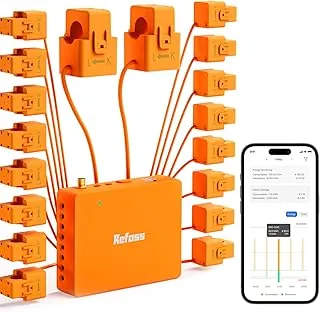
Cloud-based subscriptions are the bane of the modern smart home, which is why the Refoss Native Open API version feels like a breath of fresh air. It bypasses the need for external servers entirely, offering a local Web UI that works even if your internet goes down. With 16 sensors rated at 60A each, it is built for the tinkerer who wants to pipe their data directly into Home Assistant via MQTT without a middleman. The net metering for solar is a massive win here, allowing you to see exactly how much power you are pushing back to the grid in real-time.
- Pros: No subscription required, complete local control, massive sensor count, solar net metering.
- Cons: Setup requires some networking knowledge, bulky to fit in tight breaker boxes.
Shelly Pro 3EM (120A) 3-Phase Smart Energy Meter
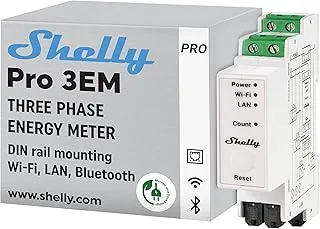
Shelly has long been the darling of the European automation scene, and the Pro 3EM brings that industrial-grade DIN rail mounting to the global stage. It’s a 3-phase powerhouse that feels more like a piece of electrical infrastructure than a consumer gadget. It doesn’t just track consumption; it functions as a Bluetooth gateway and integrates seamlessly with major voice assistants. For those running heavy machinery or multi-phase home setups, the 120A capacity provides a safety margin that smaller units just can’t match.
- Pros: DIN rail mountable, 4-quadrant measurement, highly accurate 1% error margin, no hub needed.
- Cons: Better suited for professionals than DIY beginners, 3-phase focus might be overkill for tiny homes.
Emporia Vue 3 Home Energy Monitor (16 Sensors)
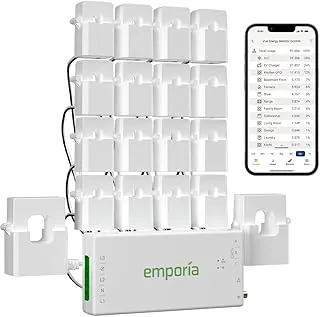
The Emporia Vue 3 is widely considered the gold standard for a reason. This specific kit comes with 16 circuit-level sensors, meaning you aren’t just seeing ‘The Kitchen’—you’re seeing the dishwasher versus the refrigerator. The 2026 iteration has refined the physical clamps for easier installation in crowded panels. What sets Emporia apart is the sheer polish of their app, which translates raw kilowatts into actual dollars and cents based on your specific utility rate, making the ROI of your appliances immediately obvious.
- Pros: Incredibly detailed data visualization, UL certified for safety, excellent customer support.
- Cons: Requires a cloud connection for the best features, the wiring can look like a ‘spaghetti mess’ if not managed.
Meross Smart Energy Consumption Monitor (18 Circuits)
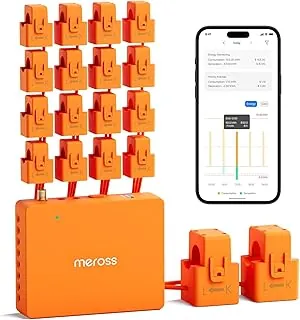
Meross decided to win the ‘more is more’ game by offering support for 18 individual circuits. If you live in a sprawling modern home with dedicated lines for everything from the home theater to the heated bathroom floors, this is your best bet. The lack of a subscription fee is a major selling point, and the integration with Home Assistant is surprisingly robust for a brand that usually targets the mainstream market. The two-year warranty adds a layer of confidence that many of the cheaper white-label monitors lack.
- Pros: Highest circuit count in its class, no monthly fees, sleek hardware design.
- Cons: App can feel slightly cluttered, 18 sensors take up significant physical space in the panel.
Smart Home Energy Monitor with 16 50A Sensors
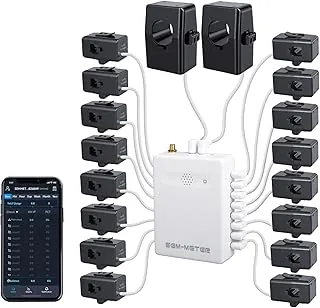
Efficiency doesn’t have to be expensive, and this budget-friendly option proves it. Targeted specifically at rental homes and shared apartments, it offers a straightforward way to track electricity costs without a permanent, invasive install. The 50A sensors are slightly lower capacity than the Refoss units but more than enough for standard household appliances. It tracks history directly in the app, allowing roommates to split bills with surgical precision rather than just guessing.
- Pros: Excellent value for money, easy-to-read historical data, Home Assistant compatible.
- Cons: Lower build quality on the clamps, the app lacks the advanced AI detection of premium rivals.
Emporia Vue 3 Home Energy Monitor (UL Certified)
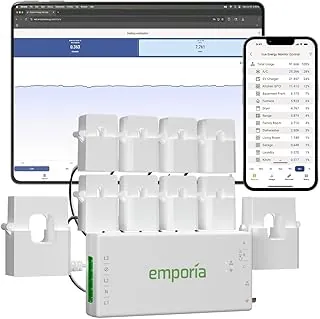
Safety is often an afterthought in the smart home world, but not for this UL-certified variant of the Vue 3. While it shares the same DNA as the larger kit, this version emphasizes the power consumption meter and net metering capabilities for solar owners. It is the perfect middle-ground for the homeowner who wants the Emporia ecosystem but doesn’t necessarily need to monitor every single light switch in the house. The real-time tracking is snappy, showing spikes the second you turn on a hair dryer.
- Pros: Rigorous safety certifications, top-tier solar monitoring, highly accurate.
- Cons: Still requires a robust Wi-Fi signal at the breaker box, cloud-dependent.
AI-Powered Energy Monitor for Home Assistant
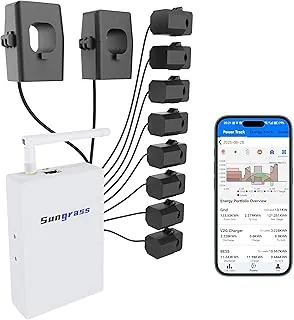
If you love the idea of ‘machine learning’ actually doing something useful, this AI-powered monitor is a fascinating entry. It attempts to ‘fingerprint’ appliances based on their unique electrical signatures. While it’s not always 100% accurate out of the box, it learns over time, eventually identifying when the HVAC kicks into its second stage or when the dryer belt is starting to slip. It is a fantastic tool for preventative maintenance, not just energy saving.
- Pros: Unique appliance identification, budget-friendly AI features, works with Home Assistant.
- Cons: AI learning curve takes a few weeks, smaller brand name with less frequent firmware updates.
SIEMENS Inhab Smart Home Energy Monitor
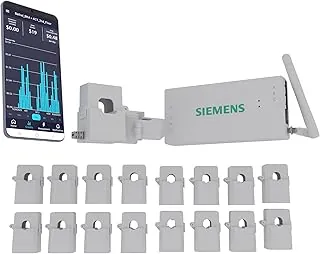
Siemens is a name that carries weight in the electrical world, and the Inhab system is their play for the high-end smart home. This unit feels like a piece of professional gear, featuring heavy-duty 200Amp main sensors that feel significantly more durable than the generic competition. It is designed to work within a broader ecosystem of Siemens smart breakers, offering a level of vertical integration that is hard to beat if you are doing a full home renovation.
- Pros: Exceptional build quality, reliable long-term data, trusted industry brand.
- Cons: The most expensive option on the list, app interface is more ‘industrial’ than ‘lifestyle’.
Refoss Smart Home Energy Monitor (Local Storage)
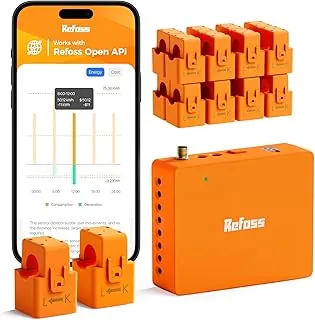
This variation of the Refoss monitor focuses heavily on data sovereignty. With local data storage, you don’t have to worry about a company going out of business and turning your hardware into a paperweight. The 16x60A sensors are perfect for modern high-draw homes, and the inclusion of an ETL certification ensures it meets strict North American safety standards. It’s the purist’s choice for someone who wants professional specs without the ‘big brother’ oversight.
- Pros: Local storage preserves data during outages, Open API for developers, ETL certified.
- Cons: Can be difficult to configure for those who aren’t tech-savvy, no ‘out-of-the-box’ AI features.
TP-Link Tapo Smart Plug Mini (4-Pack)
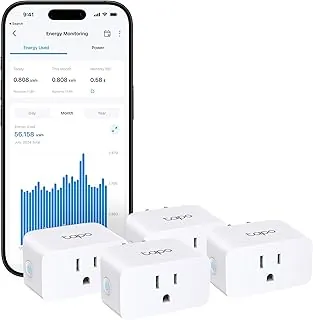
Not everyone needs to rip the cover off their breaker box. The Tapo P110M 4-pack is the ‘gateway drug’ of energy monitoring. These Matter-compatible plugs allow you to monitor specific, high-use items like space heaters or gaming PCs without any electrical work. Because they are Matter-enabled, they play nice with Apple Home, Alexa, and Google Home simultaneously. They are the easiest way to find the specific ‘vampire’ devices in your living room that are sucking power while you sleep.
- Pros: Zero-effort installation, Matter compatible, very affordable 4-pack.
- Cons: Only monitors what is plugged into them, 15A limit per plug, no whole-home visibility.
The Final Verdict
If you are a hardcore data enthusiast who wants total control, the Refoss Native Open API is the clear winner for its ‘no-cloud’ philosophy. However, for the average homeowner who just wants to see a beautiful graph and save $50 a month, the Emporia Vue 3 remains the undisputed king of usability and detail. If you are just starting out and feeling a bit intimidated by the breaker box, grab a pack of Tapo Smart Plugs and start with the fridge—you’ll be surprised how much you learn. 2026 is the year we stop guessing and start knowing where every watt goes.