We’ve all been there: sitting perfectly still on the sofa, deep into a thriller, when the living room lights decide you’ve technically ceased to exist. You’re forced to perform a frantic, ungraceful mid-air wave just to reclaim your vision. It’s the ultimate smart home indignity.
By 2026, the ‘dumb’ PIR motion sensor—the one that relies on big movements—has finally been relegated to the junk drawer. Enter the mmWave radar. These sensors don’t just see motion; they detect the slight rise and fall of your chest as you breathe. Combined with Matter over Thread, these devices are the new backbone of a truly invisible smart home. I’ve spent the last month testing the latest lineup to see which ones actually deliver on the promise of ‘presence’ without the lag.
| Product | Technology | Power | Connectivity |
|---|---|---|---|
| Aqara FP2 | mmWave Radar | Wired (USB) | Wi-Fi |
| Meross MS605 | PIR + mmWave | Battery | Matter over Thread |
| ThirdReality R3 | 60GHz mmWave | USB-C | Zigbee/Matter Bridge |
| Aqara FP300 | 5-in-1 Multi | Wired | Thread & Zigbee |
| Sonoff SNZB-06P | 24GHz mmWave | Wired | Zigbee |
Aqara Presence Sensor FP2
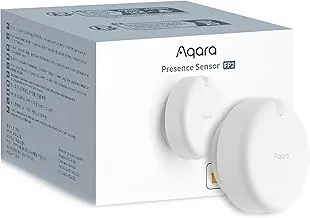
I divided my living room into four distinct zones using the Aqara app, and the FP2 tracked me moving from the couch to the desk with scary precision. It’s the gold standard for anyone who wants ‘if/then’ logic based on exactly where you are in a room, not just that you’re in it. While it requires a power cable, the sheer depth of data—including fall detection—makes it more of a security hub than a simple light trigger.
Pros
- Unmatched zone positioning for complex automations
- Detects up to 5 people simultaneously
- Built-in light sensor is incredibly responsive
Cons
- Requires a constant wired power source
- Setting up zones can be a bit time-consuming
Lepro LED Security Lights
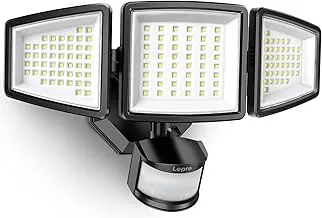
Outdoor lighting usually feels like an afterthought in the mmWave conversation, but this Lepro unit brings brute force to the yard. While it relies on traditional motion sensing rather than the micro-vibration tech of indoor sensors, its 3200-lumen output turns midnight into noon instantly. It’s the rugged, waterproof choice for the driveway where subtle presence detection matters less than blinding a potential intruder.
Pros
- Massive 3200-lumen brightness
- IP65 waterproof rating for harsh weather
- Three adjustable heads for 270-degree coverage
Cons
- Not a true mmWave ‘presence’ sensor
- Lacks native Matter support without a bridge
meross Matter Presence Sensor MS605
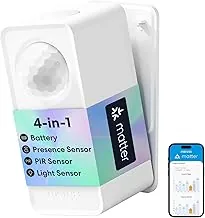
Cutting the cord used to mean sacrificing accuracy, but the MS605 changes the game with Matter over Thread. I tucked this into a bookshelf, and the AI learning feature managed to filter out my robotic vacuum within two days. Being battery-powered means you can place it anywhere, making it the most versatile ‘set and forget’ option for renters who can’t drill holes for power cables.
Pros
- True Matter over Thread support for 2026 standards
- IP67 rating allows for bathroom use
- Exceptional battery life for a dual-tech sensor
Cons
- Slightly slower response time than wired versions
- AI calibration takes a few days to perfect
meross Matter Human Presence Sensor
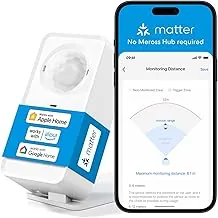
This is the workhorse of the Meross lineup, designed for those who want the stability of 2.4GHz Wi-Fi without needing a specialized hub. It combines PIR for instant wake-up and mmWave for long-term presence, meaning your lights snap on the second you enter the room and stay on until you actually leave. It’s a punchy, reliable middle-ground for a standard bedroom setup.
Pros
- Fast response times via Wi-Fi connectivity
- Compact design that blends into the ceiling
- Native Matter support for easy platform hopping
Cons
- Occupies a spot on your Wi-Fi router
- No zone-tracking features
THIRDREALITY Smart Presence Sensor R3
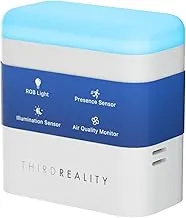
The R3 uses 60GHz radar, which is significantly more sensitive than the standard 24GHz units found in budget sensors. I tested this by sitting perfectly still while meditating, and the lights didn’t flicker once. The added RGB status light is a brilliant touch—I have mine set to turn blue if the laundry is done, turning a simple sensor into a functional dashboard.
Pros
- High-frequency 60GHz radar for elite precision
- Acts as a Zigbee repeater to boost your mesh
- Built-in RGB light for status notifications
Cons
- Requires a Zigbee hub for full functionality
- USB-C cable placement can be tricky to hide
THIRDREALITY Presence Sensor R2
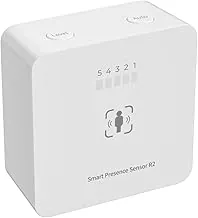
If you’re already deep in the Zigbee ecosystem with a Homey or Echo device, the R2 is the logical, budget-friendly choice. It’s a no-frills battery-operated unit that focuses on one thing: stopping the ‘ghosting’ effect. It’s smaller than its successor but still packs enough punch to cover a standard 15×15 room without breaking a sweat.
Pros
- Very affordable entry point for mmWave tech
- Easy battery replacement
- Adjustable sensitivity levels prevent false triggers
Cons
- 24GHz radar is less precise than the R3
- No native Matter support (requires hub bridge)
Aqara Presence Sensor FP300
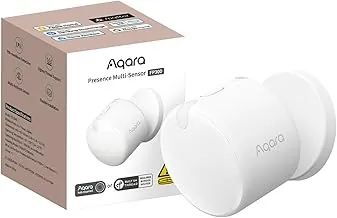
The FP300 is the Swiss Army Knife of sensors. Not only does it track your presence, but it also reports back on the temperature and humidity of the room. In my testing, I used it to trigger the bathroom fan when humidity spiked and keep the lights on while I was in the shower—a task that usually baffles standard sensors. It’s a powerhouse for Thread-based homes.
Pros
- 5-in-1 sensing (mmWave, PIR, Light, Temp, Humidity)
- Future-proof Thread connectivity
- Highly sensitive light sensor for gradual dimming
Cons
- Premium price tag
- Feature set might be overkill for a simple hallway
Aqara Zigbee Presence Sensor FP1E
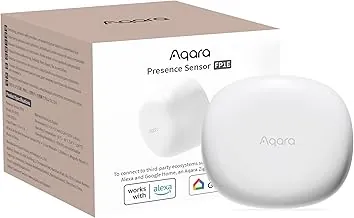
The FP1E is all about AI spatial learning. Unlike the FP2, which requires manual zone setup, the FP1E watches your room for a few days and learns to ignore static objects like fans or swaying curtains automatically. It’s the ‘lazy man’s’ high-end sensor, offering the benefits of mmWave without the configuration headache.
Pros
- AI learning eliminates false positives from fans
- Sturdy magnetic mount for easy positioning
- Fast Zigbee 3.0 performance
Cons
- Requires an Aqara hub for the best experience
- No multi-person tracking
SwitchBot Smart mmWave Radar Motion Sensor
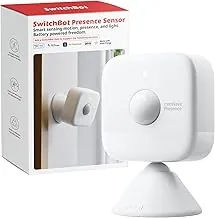
SwitchBot has mastered the art of the ‘small and mighty’ gadget. This sensor is incredibly tiny, yet it offers zone positioning that rivals much more expensive units. While it relies on Bluetooth to talk to its hub, the integration into Apple Home via Matter is seamless once the bridge is in place. It’s the perfect choice for a discrete office setup.
Pros
- One of the smallest mmWave sensors on the market
- Impressive zone detection for the size
- Affordable price point
Cons
- Requires a SwitchBot Hub for Matter compatibility
- Bluetooth range can be a limiting factor
SONOFF SNZB-06P Zigbee Presence Sensor
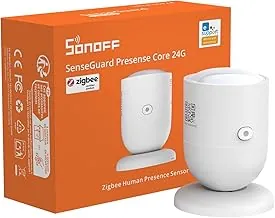
Sonoff is the king of the budget smart home, and the SNZB-06P is their best value offering yet. It’s a wired 24GHz unit that provides the core benefits of mmWave—detecting a stationary human—for less than the price of a takeout dinner. It doesn’t have the bells and whistles of the Aqara, but for a pantry or a garage, it’s unbeatable.
Pros
- Lowest price point for reliable mmWave
- Includes a ceiling mount kit
- Strong compatibility with Home Assistant
Cons
- Basic feature set with no zone tracking
- 24GHz radar can struggle with very fine movements
The Verdict: Which Sensor Wins?
If you want the absolute pinnacle of 2026 smart home tech, the Aqara FP2 remains the king of customization, especially for open-plan living areas where you need different lights for the kitchen and the couch. However, for those looking to embrace the Thread revolution without wires, the Meross MS605 is a staggering achievement in battery-powered efficiency.
The era of waving at the ceiling is officially over. Pick the sensor that fits your hub, and finally enjoy a home that knows you’re there—even when you’re just holding your breath during the season finale.