I used to wake up at 3 AM with a plastic strap digging into my wrist, the glowing green light of a heart rate sensor mocking my insomnia. It felt like I was sleeping with a tiny, judgmental accountant attached to my arm. By 2026, the high-end sleep game has shifted. We aren’t wearing our data anymore; we’re resting on it. AI-powered mats have turned the standard mattress into a sentient health hub, quietly logging every toss, turn, and REM cycle without a single strap in sight.
The beauty of the modern sleep mat lies in its invisibility. You slide it under the sheets or the mattress, sync the app, and forget it exists. These aren’t just pressure pads; they are sophisticated ballistocardiography tools that can detect the microscopic vibrations of your heart and lungs through ten inches of foam and springs. If you’re ready to upgrade your smart bed setup, here is the tech currently leading the pack.
| Product | Type | Key Feature | Price |
|---|---|---|---|
| Withings Sleep Pad | Under-mattress | Sleep Apnea Detection | $199.95 |
| Garmin Index Monitor | Under-mattress | Garmin Connect Sync | $139.99 |
| Beautyrest Sleeptracker | Under-mattress | Alexa Integration | $69.74 |
| Oura Ring 4 | Wearable | AI Advisor | $349.00 |
| AI Smart Sleep Mask | Wearable | Audio Therapy | $89.99 |
| Contactless Monitor | Bedside/Mat | No Subscription | $169.00 |
Withings Sleep – Sleep Tracking Pad Under The Mattress With Sleep Cycle Analysis
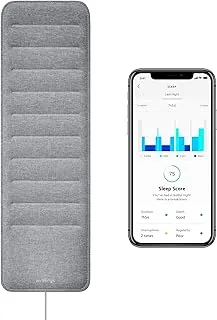
The first time I slid the Withings Sleep pad under my heavy hybrid mattress, I was skeptical it would feel anything at all. Within one night, it had mapped out my snoring patterns and heart rate with startling precision. This is the gold standard for those who want a zero-effort lifestyle. It uses pneumatic sensors to track your movements and breathing, and the 2026 AI updates now provide a ‘Sleep Smarter’ coaching program that actually feels human rather than robotic.
Pros:
- Completely invisible once installed under the mattress.
- Advanced sleep apnea detection that is medically cleared in many regions.
- Seamless integration with Apple Health and other smart home ecosystems via IFTTT.
Cons:
- Requires a constant power outlet near the bed.
- Single-user only; couples need two separate pads.
Garmin Index Sleep Monitor
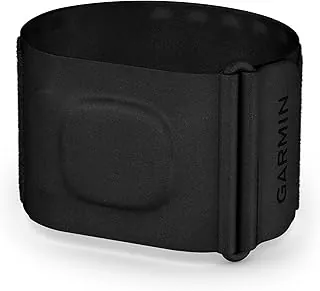
If your life is already lived within the Garmin ecosystem, the Index Sleep Monitor is the missing piece of your recovery puzzle. Most people know Garmin for their rugged watches, but this pad brings that same data-heavy intensity to your bedroom. It focuses heavily on ‘Body Battery’ metrics, telling you exactly how much your sleep actually recharged your physical reserves for the day ahead. The AI here is particularly good at identifying how that late-night glass of wine actually trashed your recovery.
Pros:
- Integrates perfectly with Garmin Connect for a total health picture.
- Very slim profile that doesn’t create a lump in the bed.
- High-frequency sampling for accurate heart rate variability (HRV).
Cons:
- App interface can be overwhelming for casual users.
- Price is slightly higher than basic entry-level monitors.
Beautyrest Sleeptracker Monitor – Wearable-Free Sleep Tracker
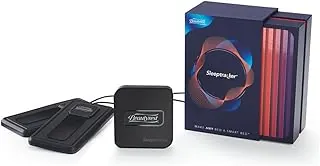
Beautyrest was one of the first legacy mattress brands to take tech seriously, and their Sleeptracker remains a powerhouse for couples. Unlike many other options, this system is designed to monitor two people simultaneously with two separate sensors. It connects directly to Alexa, so you can literally wake up and ask your smart speaker how you slept before you even open your eyes. It’s a bit more ‘plug-and-play’ and less ‘biohacker-intensive’ than the others.
Pros:
- Excellent value for a dual-monitoring system.
- No subscription fees for basic sleep analysis.
- Great integration with smart home routines (lights, thermostats).
Cons:
- The app design feels a bit dated compared to Withings.
- Less focus on medical-grade respiratory data.
Oura Ring 4 – Silver – AI Advisor
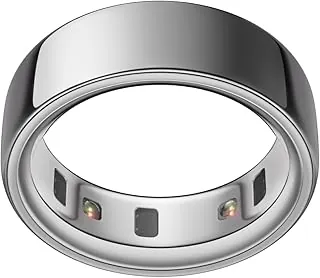
While not a mat, the Oura Ring 4 is the primary competitor for anyone looking for the best sleep tech in 2026. The new Gen 4 hardware is thinner than ever, almost disappearing on the finger. The real star is the AI Advisor, which interprets your sleep stages and suggests specific lifestyle changes—like shifting your caffeine window—based on your unique circadian rhythm. It’s for the person who wants sleep data that follows them even when they travel.
Pros:
- Industry-leading accuracy for sleep stage identification.
- The AI Advisor provides genuinely actionable daily advice.
- Elegant design that looks like high-end jewelry.
Cons:
- Requires a monthly subscription to see deep data.
- Still something you have to physically wear on your hand.
AI Smart Sleep Mask Aid Machine with Bluetooth Headphones
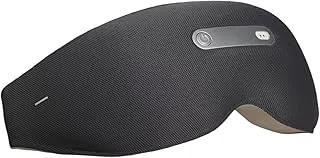
This is for the traveler or the shift worker who finds themselves sleeping in less-than-ideal environments. This mask combines total light blackout with AI-driven soundscapes that adjust based on your sleep depth. If the sensors detect you are moving into a lighter sleep stage too early, the white noise gently modulates to keep you under. It’s a cocoon for your head that actively fights against external distractions.
Pros:
- Dual-purpose: tracks sleep while providing high-quality audio.
- 3D contoured design prevents pressure on the eyeballs.
- Perfect for napping in offices or during long-haul flights.
Cons:
- Can feel bulky for side sleepers.
- Battery life requires frequent charging compared to mats.
Garmin Index Sleep Monitor, L/XL Bundle
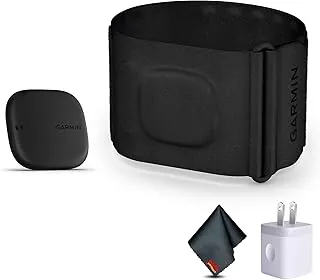
For the power user who doesn’t want to hunt for accessories, the L/XL bundle takes the standard Garmin sensor and adds the necessary infrastructure for a permanent setup. The inclusion of a dedicated wall adapter and cleaning cloths sounds minor until you’re trying to hide cables behind a heavy headboard. This version is tailored for larger bed setups where cable reach and placement are paramount for the AI to calibrate correctly.
Pros:
- All-in-one kit saves time on setup.
- Garmin’s robust AI analytics are second to none for athletes.
- Reliable connectivity that doesn’t drop out.
Cons:
- Significantly more expensive than the standalone sensor.
- Microfiber cloth is a nice touch but doesn’t add technical value.
Garmin Index Sleep Monitor Small/Medium Bundle
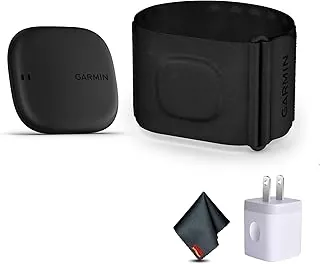
Similar to its larger sibling, the S/M bundle is curated for twin or full-sized beds, ensuring that the sensor placement is optimized for smaller mattress footprints. The AI calibration in the Garmin app asks for your bed size, and using this specific bundle ensures the sensitivity is dialed in. It’s particularly effective for restless sleepers who might move off the sensor area on a larger mat.
Pros:
- Optimized for smaller sleeping surfaces.
- Includes high-quality power delivery components.
- Deep insights into REM and Deep sleep cycles.
Cons:
- Still carries a price premium for the ‘bundle’ extras.
- Only beneficial if you aren’t already using a Garmin watch.
WHOOP 5.0/MG Activity Tracker – 12 Month Membership
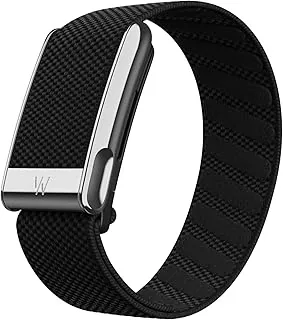
WHOOP has moved into 2026 with a focus on ‘Strain vs. Recovery.’ This isn’t just a sleep tracker; it’s a lifestyle coach that tells you if you’re actually ready to work out. The WHOOP 5.0 is incredibly small and can be worn in ‘Any-Wear’ underwear, making it effectively invisible if you hate wristbands. Its AI Coach is the most aggressive on the market, texting you tips to improve your sleep hygiene based on your heart rate variability.
Pros:
- The most detailed recovery metrics available to consumers.
- AI Coach is genuinely smart and proactive.
- No screen means no distractions at bedtime.
Cons:
- The subscription model is a permanent ongoing cost.
- Requires wearing a device, even if it’s hidden in clothing.
Grounding Mat for Bed, Grounding Mattress Pad
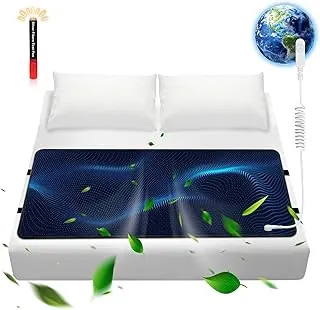
Grounding mats take a different approach to sleep. Rather than using AI to watch you, this mat uses conductive carbon to ‘ground’ your body to the earth’s electrical charge. While it lacks the digital bells and whistles of a Garmin or Withings, many users in the high-end wellness space use these in conjunction with trackers to lower inflammation and improve sleep depth. It’s a physical intervention rather than a data-collection one.
Pros:
- Zero EMF emissions; purely passive technology.
- Very affordable way to experiment with ‘Earthing.’
- Large King-size coverage ensures you stay in contact.
Cons:
- Does not actually track or record sleep data.
- Requires a grounded electrical outlet to function.
Non-Wearable Contactless Sleep Tracker & Sleep Monitor
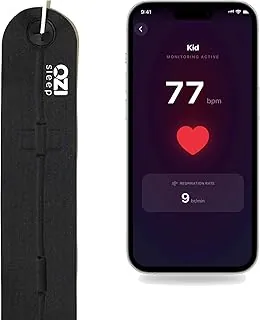
This device sits on your nightstand or under the mattress edge and uses ultra-wideband radar to monitor your vitals. It’s the ultimate ‘no-touch’ solution. In 2026, the AI has been refined to ignore pets or partners, focusing strictly on the person closest to the sensor. It’s perfect for kids or elderly parents where you want to monitor heart rate and breathing without them having to do anything at all.
Pros:
- No subscription fees whatsoever.
- Tracks heart rate and breathing in real-time.
- Smart alarm wakes you up during your lightest sleep phase.
Cons:
- Radar placement can be finicky; needs a clear line of sight.
- May struggle with very thick memory foam mattresses.
The Verdict: Which Sleep Tech Should You Trust?
If you want the absolute best ‘set it and forget it’ experience, the Withings Sleep Pad remains the king of the category for 2026. Its ability to hide under the mattress while delivering medical-grade data is unparalleled. However, for those who live and breathe performance, the WHOOP 5.0 or Oura Ring 4 offer AI coaching that a stationary mat simply can’t match. Choose the mat if you want to optimize your environment; choose the wearable if you want to optimize your entire life.