I spent twenty minutes sitting perfectly still in my reading nook yesterday, and for the first time in three years, the lights didn’t turn off on me. That is the quiet magic of mmWave. For a long time, ‘smart’ lighting was just a guessing game played by PIR sensors that couldn’t tell the difference between an empty room and a human being breathing softly over a book. In 2026, we have finally moved past waving our arms like shipwreck survivors just to keep the desk lamp on.
The shift toward AI-driven home automation requires data that is both granular and reliable. You cannot have a truly ‘proactive’ home if your system doesn’t know exactly which corner of the sofa you are occupying. These ten sensors represent the pinnacle of presence detection, ranging from enterprise-grade zone mapping to budget-friendly Zigbee chips that punch way above their weight class.
| Product | Technology | Connectivity | Power Source | Price |
|---|---|---|---|---|
| Aqara FP2 | 60GHz mmWave | Wi-Fi | Wired (USB) | $82.99 |
| Meross Matter | 24GHz + PIR | Matter/Wi-Fi | Wired (USB) | $33.99 |
| Meross MS605 | 24GHz + PIR | Matter/Thread | Battery | $29.99 |
| WenzhiIoT | 5.8GHz mmWave | Zigbee | Wired (USB) | $19.99 |
| ThirdReality R2 | 24GHz mmWave | Zigbee | Battery | $39.99 |
| Akamatis v2.2 | 24GHz (LD2410B) | Wi-Fi (ESP32) | Wired (USB) | $20.99 |
| GoveeLife | mmWave + PIR | Wi-Fi | Wired (USB) | $39.99 |
| ThirdReality R3 | 60GHz mmWave | Zigbee | Wired (USB) | $49.99 |
| ES1 Sensor | 24GHz mmWave | Zigbee | Wired (USB) | $33.99 |
| Tuya Generic | mmWave Radar | Zigbee | Wired (USB) | $22.99 |
Aqara Presence Sensor FP2
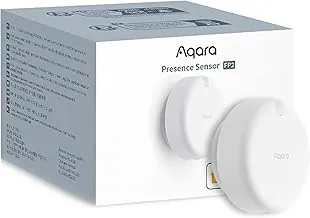
If you want the absolute pinnacle of consumer-grade presence detection, the FP2 is the undisputed heavyweight champion. Most sensors see a room as a single ‘on/off’ state, but the FP2 treats your living room like a grid-based tactical map. I mapped out my couch, my dining chair, and my standing desk as distinct zones, allowing the house to adjust lighting specifically for the task at hand. It handles up to five people simultaneously, though it occasionally gets confused by large mirrors or heavy curtains blowing in the wind.
- Pros: Incredible multi-person tracking and zone positioning; fall detection capability; native HomeKit support.
- Cons: Premium price point; requires a wired connection which can limit placement.
meross Matter Human Presence Sensor
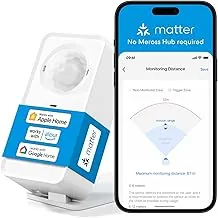
Matter is no longer a promise; it is the standard, and Meross has leaned into it hard with this 3-in-1 unit. By combining a PIR sensor for quick initial triggers with mmWave radar for sustained presence, it solves the ‘lag’ problem often associated with radar-only sensors. It is a no-nonsense workhorse that disappears into your decor while ensuring your AI automations actually fire when they should. The built-in light sensor is a nice touch for those ‘only turn on if it’s dark’ routines.
- Pros: Universal compatibility via Matter; dual-tech detection reduces false negatives; very competitive pricing.
- Cons: Basic app interface; 24GHz radar is less sensitive than 60GHz models for micro-movements.
meross Matter Presence Sensor MS605
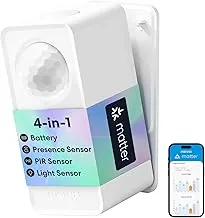
Cutting the cord has always been the dream for mmWave, but the power draw usually makes it impossible. Meross managed to pull it off here by using a clever AI learning algorithm and Matter over Thread. Because it isn’t tethered to an outlet, I was able to mount this in a high corner of my bathroom where a power cable would have looked hideous. The IP67 rating means it doesn’t care about your steamy shower sessions, making it the perfect choice for humidity-heavy zones.
- Pros: Completely wireless battery operation; IP67 weatherproofing; future-proof Thread connectivity.
- Cons: Battery life depends heavily on traffic levels; slightly slower response time than wired versions.
WenzhiIoT Smart Motion Sensor Zigbee
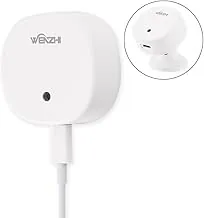
Entry-level smart homes don’t need a hundred-dollar sensor in every hallway, and that is where this WenzhiIoT unit shines. It uses a 5.8GHz radar which is broader and less precise than the higher frequencies, but for detecting a human walking into a corridor, it is flawlessly consistent. It includes an illuminance sensor, making it a budget-friendly powerhouse for Tuya or Home Assistant users who need to scale their automation across an entire house without breaking the bank.
- Pros: Extremely affordable; works natively with Zigbee2MQTT; small footprint.
- Cons: 5.8GHz can occasionally see through thin walls; lacks advanced zone mapping.
THIRDREALITY Presence Sensor R2
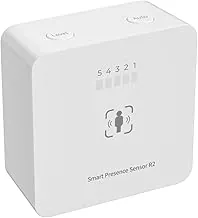
ThirdReality has carved out a niche for making hardware that just works without the cloud fluff. The R2 is their battery-powered Zigbee offering that utilizes 24GHz radar. What impressed me most was the adjustable sensitivity; you can fine-tune it to ignore the robotic vacuum but still catch a child sitting on the floor. It’s a sturdy, utilitarian piece of kit that integrates beautifully with Echo devices that have built-in Zigbee hubs.
- Pros: No wires needed; works directly with Zigbee-enabled Echo devices; reliable sensitivity adjustments.
- Cons: Battery replacement is an annual chore; lacks the multi-person tracking of higher-end models.
AKAMATIS Human Presence Sensor v2.2
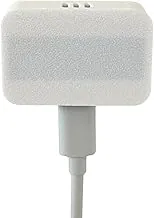
This is the enthusiast’s choice. If you spend your weekends tweaking Home Assistant YAML files, the Akamatis v2.2 is your new best friend. It utilizes the LD2410B sensor module and features an external antenna that provides significantly better range than the internal PCB antennas found in cheaper units. It’s raw, it’s powerful, and it gives you access to every single data point the radar can generate, from ‘static energy’ levels to detection distance in centimeters.
- Pros: Unrivaled transparency for Home Assistant users; superior range due to external antenna; very fast response.
- Cons: Industrial design isn’t very ‘lifestyle’ friendly; requires some technical know-how to set up.
GoveeLife Human Presence Sensor
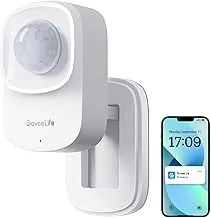
Govee has moved beyond just light strips and into serious automation hardware. This sensor feels like a direct competitor to the Aqara FP2 but at a much softer price point. It offers zone positioning, allowing you to trigger different scenes based on where you are in the room. The setup process is surprisingly smooth within the Govee ecosystem, making it a great ‘gateway’ sensor for those who aren’t ready to dive into a full Zigbee or Matter mesh yet.
- Pros: Effective zone mapping for the price; easy setup; great app integration.
- Cons: Requires the Govee app for the best features; wired only.
THIRDREALITY Smart Presence Sensor R3
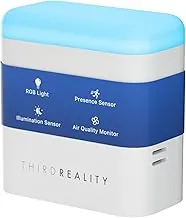
While the R2 went for battery convenience, the R3 goes for absolute precision. By jumping to 60GHz radar, this sensor can detect the literal rise and fall of your chest while you sleep. It doubles as a Zigbee repeater, which helps strengthen your mesh network—a thoughtful addition for a device that needs to be plugged in anyway. The built-in RGB status light can be used as a visual indicator for other home alerts, which is a clever bit of multi-tasking.
- Pros: High-frequency 60GHz detection; acts as a Zigbee signal repeater; useful built-in RGB status LED.
- Cons: Higher power draw requires a permanent USB-C connection; larger physical profile.
Human Presence Sensor ES1
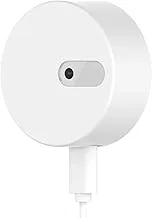
The ES1 is a classic Tuya-based Zigbee sensor that focuses on doing one thing well: occupancy. It uses 24GHz radar, which I found to be the sweet spot for kitchen and bathroom installations where you need more accuracy than a standard motion sensor but don’t need the complex zones of an FP2. It’s a ‘set it and forget it’ device that integrates perfectly with ZHA and Zigbee2MQTT, making it a favorite for the self-hosted crowd.
- Pros: Very stable Zigbee connection; compact and unobtrusive design; great value.
- Cons: Setup requires a Tuya-compatible hub or a custom Zigbee setup; mounting bracket is a bit flimsy.
MmWave Human Presence Sensor (Generic Zigbee)
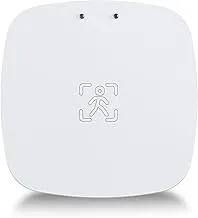
Sometimes you just need a cheap sensor to tell the lights to stay on while you’re in the garage. This generic Zigbee millimeter wave radar is the blue-collar worker of the list. It doesn’t have a fancy brand name or a polished app, but it talks to Home Assistant without a fuss and detects presence through sheer brute force radar. It’s the perfect candidate for those DIY projects where you want to hide the sensor behind a plastic panel or inside a custom enclosure.
- Pros: One of the cheapest ways to get mmWave into your home; small and easy to hide.
- Cons: Documentation is often sparse; may require a Tuya hub for firmware updates.
Choosing a presence sensor in 2026 comes down to your appetite for data versus your need for aesthetics. If you want the ‘Minority Report’ experience where every corner of your room is a trigger point, the Aqara FP2 remains the gold standard. However, for those looking to build a resilient, cross-platform system, the Meross Matter sensors offer the best balance of price and future-proof connectivity.
Regardless of which you choose, moving to mmWave is the single biggest upgrade you can make to your smart home. Once you experience a house that truly knows you’re there—without you having to perform a dance for the sensors—you’ll never go back to ‘dumb’ motion detection again.